
How to Build a Homebuying Checklist That Actually Works
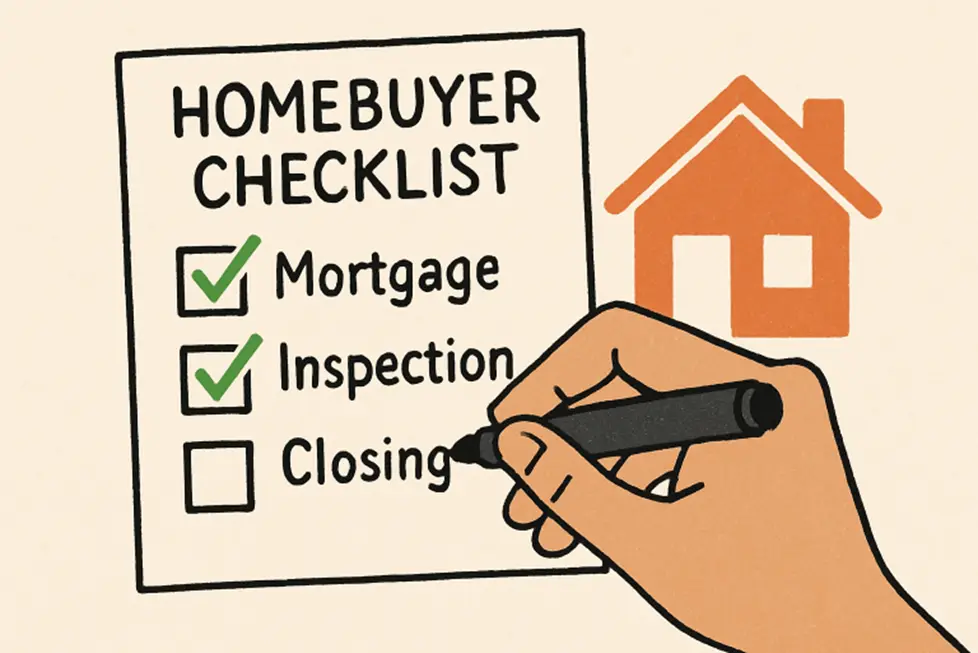
Navigating the path to homeownership is exhilarating, yet filled with complex decisions and critical milestones. Whether you are a first-time buyer or looking to upgrade, a strategically crafted checklist will help smooth your journey. By being methodical about the process, you ensure that no vital steps are overlooked, putting yourself in the best position to find your ideal home. Partnering with trusted Arcadia, CA real estate experts MW Lofts Pasadena can provide valuable guidance, helping you navigate the market, understand local trends, and make informed decisions at every step.
From budgeting accurately to assembling the right team of professionals, a robust checklist keeps everything on track and organized. You gain clarity amid a flood of listings and negotiations, knowing your priorities and timelines. This guide walks you through assembling a practical homebuying checklist that keeps your goals, finances, and peace of mind intact. Start your path confidently, armed with these key steps, to avoid costly surprises and ensure a rewarding purchase experience.
Assess Your Financial Health
Your financial foundation sets the tone for your entire homebuying journey. Start by pulling your credit report to ensure its accuracy and correct any discrepancies. Calculate your debt-to-income ratio, a critical metric that lenders consider when evaluating your mortgage application. Next, determine how much you can reasonably save for a down payment and what monthly payment fits your budget without straining your finances. Setting a realistic budget now will help you avoid disappointment and keep stress levels manageable. According to NerdWallet, most financial experts recommend keeping your housing expenses below 30 percent of your gross monthly income.
Define Your Needs and Wants
Crafting a home wishlist requires separating “must-haves” from “nice-to-haves.” Consider fundamental needs, such as the number of bedrooms, square footage, and accessibility, versus preferences like upgraded finishes, a pool, or a specific style of architecture. Think about your lifestyle, family size, and proximity to work or schools, and how these factors impact your search. Writing out your needs and wants lets you compare homes objectively and make informed compromises. A prioritized list ensures you remain flexible but focused during your search, helping you communicate your vision clearly with your agent and eliminate unsuitable listings fast.
Research Assistance Programs
Many first-time buyers are surprised to discover a range of financial assistance programs designed to ease the path to ownership. These may include low-down-payment mortgages, government-backed loans, grants for closing costs, and tax credits. Such programs are often tailored to regions, professions (like teachers or first responders), and income levels, so check your eligibility early in the process. Contact your local housing authority or counseling agencies to learn about options specific to your circumstances. Utilizing all available resources can substantially lower upfront costs and increase your buying power.
Assemble a Professional Team
Access to skilled professionals is essential for a smooth real estate transaction. A trusted real estate agent is invaluable for negotiating on your behalf, sourcing listings, and explaining the local market. Choose a mortgage lender experienced in working with buyers in your price range and location. Home inspectors and real estate attorneys, especially for more complex transactions, can help safeguard your investment and ensure compliance at every stage. Strong teams relieve stress, streamline paperwork, and help you navigate bumps in the road.
Get Pre-Approved for a Mortgage
Securing a pre-approval letter from a lender gives you a competitive edge when making offers. It shows sellers that you are financially ready and committed, increasing the likelihood that your bid will be taken seriously. Pre-approval involves sharing employment history, tax documents, assets, and other financial records, leading to a conditional commitment for a loan up to a specified amount. With your spending limit defined, you avoid viewing homes out of reach and can act quickly when you find the right property. CNN underscores how pre-approval makes you more agile and appealing in fast-moving markets.
Conduct Thorough Home Inspections
Inspections are not just a formality; they are your chance to uncover critical issues before committing. Arrange for a comprehensive review that covers roofing, foundation, HVAC systems, plumbing, electrical wiring, and potential environmental hazards. Receiving the inspector’s detailed report empowers you to negotiate repairs, ask for credits, or, if necessary, walk away from a problematic deal. Addressing hidden issues up front can protect you from expensive surprises long after move-in.
Plan for Additional Costs
Homebuying requires budgeting for more than the purchase price. Common extra costs include closing fees, property taxes, insurance premiums, and anticipated repairs or renovations. Set aside reserves for utility adjustments, moving expenses, and new furnishings as well. Thorough preparation helps you avoid the stress of unexpected costs and safeguard your long-term investment.
Stay Organized and Flexible
Staying organized is about managing paperwork, deadlines, and correspondence to prevent oversights and miscommunications. Digital tools and checklists can simplify document storage and track progress. Equally important is flexibility, as the buying process often includes delays, renegotiations, or last-minute discoveries. Adapting gracefully to changes lets you make the best possible decisions, even under pressure.
By assembling a clear, actionable checklist and enlisting the help of knowledgeable professionals, you can demystify the homebuying journey and ensure a seamless transition into your new home. Remember to prioritize your list, track your spending, and keep a level head throughout—these are the keys to finding a property that fits your life and your budget.
Also Read