How to Make Money Collecting Vintage Toys
The world of vintage toy collecting has transformed from a simple nostalgic hobby into something far more interesting, a genuine investment opportunity that’s catching the attention of both passionate collectors and savvy entrepreneurs. Those childhood treasures gathering dust in attics from the 1970s, 1980s, and 1990s? They’re commanding impressive prices in today’s market, and it’s not just a passing trend. Whether action figures, board games, dolls, or die-cast vehicles spark your interest, the vintage toy market presents multiple pathways to generate real income. The key lies in understanding the fundamentals: how to acquire pieces strategically, evaluate their worth accurately, preserve them properly, and connect with serious collectors who appreciate what you’ve found.
Understanding the Vintage Toy Market
The vintage toy market runs on a fascinating combination of scarcity, nostalgia, and cultural significance that drives both collector demand and pricing dynamics. Certain toy lines from specific decades have achieved something beyond popularity, they’ve become cultural touchstones that resonate deeply with collectors who grew up during those formative years. Action figure lines from the late 1970s and 1980s consistently perform exceptionally well at auction, with mint, condition examples still in their original packaging often fetching premium prices that surprise even experienced collectors. What makes this market particularly interesting is how it experiences cyclical trends as different generations reach their peak earning years and gain disposable income to pursue childhood memories.
Sourcing Valuable Vintage Toys
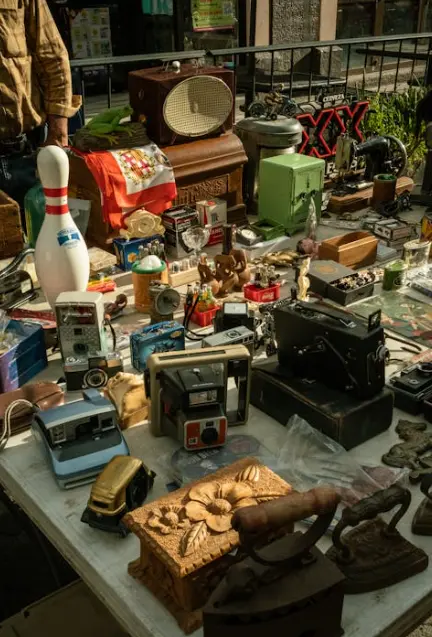
Finding undervalued vintage toys requires a strategic approach to sourcing from multiple channels that casual collectors often overlook or underutilize. Estate sales and garage sales remain absolute goldmines for discovering rare toys at a fraction of their retail value, particularly when sellers simply don’t realize what they’re sitting on. Thrift stores and charity shops receive regular donations that occasionally include valuable vintage items mixed in among the everyday merchandise, you just need patience and persistence to find them. Online marketplaces offer convenience, but they reward creativity in searching, using varied terminology and even common misspellings that other buyers might miss entirely.
Grading, Authentication, and Preservation
The condition and authenticity of vintage toys directly impact their market value in ways that make proper evaluation skills absolutely essential for profitability. Professional grading companies provide standardized condition assessments that increase buyer confidence and justify premium pricing for exceptional examples that deserve recognition. Learning to identify reproduction figures, resealed packages, and counterfeit items protects you from costly mistakes that can quickly erode profit margins and damage your credibility. Original packaging significantly multiplies toy values, we’re talking about sealed mint-in-box examples often worth ten times their loose counterparts, sometimes even more for particularly desirable pieces.
Building a Profitable Collection Strategy
Successful vintage toy collecting for profit requires strategic focus rather than randomly accumulating items that simply appeal to you personally, no matter how tempting that approach might be. Specializing in specific toy lines, manufacturers, or time periods develops the deep expertise that provides genuine competitive advantages in both sourcing and pricing decisions. Complete collection sets typically sell for premiums that exceed individual piece values, creating strong incentives for patient assembling full runs over time. Monitoring market trends through auction results, convention sales, and online marketplace data reveals emerging hot categories before prices peak, and everyone else catches on.
Selling Platforms and Marketing Strategies
Maximizing profits from vintage toy collections requires thoughtfully matching specific items with optimal selling platforms that reach the right buyer demographics for each piece. Online auction sites provide broad exposure and competitive bidding that often exceed fixed-price expectations for rare or highly sought items that generate collector excitement. Specialized collector forums and social media groups connect sellers directly with passionate enthusiasts who are willing to pay premiums for desired pieces they’ve been searching for. Physical toy shows and conventions offer opportunities for cash sales without transaction fees while allowing buyers to inspect their condition personally before committing. Consignment arrangements with established vintage toy dealers provide access to their existing customer bases in exchange for reasonable percentage commissions. For collectors looking to liquidate entire collections quickly without the hassle of individual sales, professionals who sell star wars toys and other vintage lines provide streamlined transactions without requiring the significant time investment that piece-by-piece selling demands. Building a professional online presence through dedicated websites or social media accounts establishes credibility and attracts repeat customers who trust your expertise. High-quality photographs from multiple angles, detailed condition descriptions, and transparent disclosure of any flaws build buyer trust and dramatically reduce return requests that eat into profits. Strategic timing of major sales around holiday seasons, convention schedules, and anniversary dates for specific toy lines can significantly impact final selling prices in ways that reward planning and patience.
Scaling Your Vintage Toy Business
Transitioning from casual collecting to serious business operations requires systematic approaches to sourcing, inventory management, and cultivating customer relationships that last. Establishing proper legal business structures provides valuable tax advantages, liability protection, and the professional credibility that serious collectors and dealers expect when doing business. Developing wholesale relationships with other dealers creates bulk purchasing opportunities and consistent inventory pipelines for high-demand items that keep your operation running smoothly. Investing in authentication tools, comprehensive reference materials, and professional memberships demonstrates genuine commitment to quality and expertise in your specialty areas.
Conclusion
Making money collecting vintage toys successfully combines genuine passion for nostalgic items with sound business principles and accumulated market knowledge that takes time to develop. Success requires real commitment to continuous learning about toy history, evolving market trends, and authentication techniques that separate profitable collectors from casual hobbyists who struggle to break even. By implementing strategic sourcing methods, maintaining rigorous condition standards, and utilizing appropriate selling platforms for different types of inventories, collectors can generate substantial income from this genuinely rewarding pursuit. The vintage toy market continues growing as new generations discover childhood favorites, and investors increasingly recognize alternative assets beyond traditional markets that have dominated decades.