
How to Choose the Right Plumber for Your Business
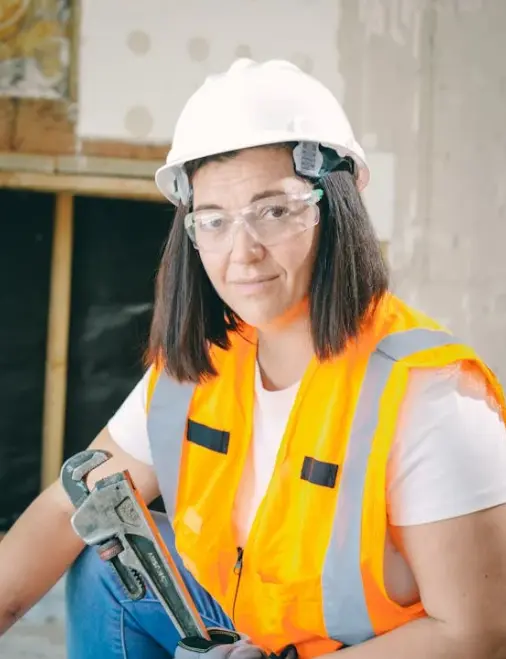
Selecting the right plumber for your business isn’t just another item to check off your to-do list, it’s a decision that ripples through your entire operation. Commercial plumbing systems are beasts of their own, far more intricate than their residential counterparts, and they need professionals who genuinely understand what’s at stake in a business environment. When things go wrong, you’re not just dealing with an inconvenience; you’re watching revenue slip away with every minute of downtime, risking property damage, and potentially embarrassing yourself in front of customers who expect seamless service. That’s why rushing this choice or going with whoever answers the phone first can backfire spectacularly.
Verify Licensing, Insurance, and Certifications
Here’s where you separate the professionals from the pretenders: credentials matter, and they matter a lot. Any commercial plumber worth your time should hold proper state and local licenses that prove they’ve completed rigorous training and passed comprehensive exams that test real-world knowledge. These aren’t just bureaucratic hoops to jump through, they’re evidence that the person you’re trusting with your property actually knows building codes, safety protocols, and industry standards inside and out. Beyond licensing, you’ll want confirmation that they carry robust liability insurance and workers’ compensation coverage, because the last thing your business needs is getting slapped with a lawsuit if someone gets hurt or something gets damaged on your property.
Evaluate Commercial Experience and Specialization
There’s a world of difference between fixing a leaky faucet in someone’s kitchen and maintaining the plumbing infrastructure for an entire commercial building. Your ideal plumber should have substantial hands, on experience with commercial properties that resemble yours, whether that’s office complexes, restaurants, retail spaces, healthcare facilities, or industrial warehouses. Don’t hesitate to dig into their background with your specific type of business and ask pointed questions about challenges unique to your industry. A plumber who regularly works with restaurants will know grease trap maintenance like the back of their hand and understand health department requirements that would baffle a generalist.
Assess Availability and Emergency Response Capabilities
Plumbing disasters don’t respect business hours, and in commercial settings, every minute counts when water’s gushing where it shouldn’t be. A major leak, backed-up sewage, or failed water heater can force you to shut down operations immediately, watching potential revenue evaporate while customers get turned away and property damage accumulates. That’s why round-the-clock availability isn’t just a nice perk, it’s absolutely essential. You need to know whether potential plumbers offer genuine 24/7 emergency services with real response time guarantees, not just an answering service that collects messages for someone to return “whenever they can.
Compare Pricing Structures and Value Propositions
Understanding how plumbers structure their commercial pricing helps you plan budgets realistically and avoid those nasty financial surprises that make your accountant wince. Some work with flat rates for common services, others charge hourly plus materials, and many offer maintenance contracts that bundle regular services into predictable monthly payments. Always request detailed written estimates that break down labor costs, materials, permits, and any other fees before you authorize anything. Be skeptical of quotes that seem too good to be true, they usually are, often signaling inexperience, cheap materials that’ll fail prematurely, or hidden costs that mysteriously appear halfway through the job. On the flip side, the most expensive option isn’t automatically the best; you need to evaluate the complete value package including warranty coverage, how quickly they respond to your calls, and their track record for long-term reliability. Many businesses find that preventive maintenance agreements pay for themselves by providing regular inspections, priority scheduling when you need help, and discounted rates on repairs in exchange for steady monthly fees. When evaluating commercial service providers, businesses should consider local professionals such as plumbers in Concord, NC who understand regional building codes and can respond quickly to urgent needs. Talk through payment terms, what methods they accept, and whether they offer financing options for major projects or those unexpected repairs that blow your quarterly budget. Transparent pricing backed by clear contracts protects everyone involved and builds the foundation for a relationship based on trust rather than suspicion.
Examine Communication Style and Professionalism
Pay close attention to how potential plumbers communicate during your first interactions, it’s usually a reliable preview of what working with them long-term will feel like. Professional plumbers return calls promptly without making you chase them down, show up when they say they will (not in some vague four-hour window), and explain what’s wrong in plain English that helps you make smart decisions. They shouldn’t hide behind technical jargon to make simple problems sound complicated or justify work you don’t actually need. Watch whether they genuinely listen to your concerns, ask thoughtful questions about how your business operates, and present multiple solution options with honest pros and cons instead of pushing the most expensive fix.
Review Online Reputation and References
These days, a plumber’s digital footprint tells you plenty about whether they consistently deliver quality service or leave a trail of frustrated customers. Research potential plumbers across review platforms, looking for patterns in feedback rather than obsessing over individual complaints or suspiciously perfect five-star reviews. Consistent praise about punctuality, quality workmanship, fair pricing, and actually solving problems (not just temporarily patching them) speaks volumes. Pay attention to how companies respond to negative reviews, their reaction to criticism reveals whether they take accountability seriously or just make excuses.
Conclusion
Choosing the right plumber for your business demands more than picking a name from search results and hoping for the best. You need to systematically evaluate credentials, relevant experience, emergency availability, pricing transparency, communication quality, and hard-earned reputation. Yes, this process takes time upfront, but that investment pays off handsomely through minimized downtime, controlled long-term costs, and the peace of mind that comes from knowing your plumbing systems are in truly capable hands. Resist the temptation to rush this decision or settle for whoever happens to be available today, the right commercial plumber evolves from vendor to valued partner in maintaining smooth operations.